

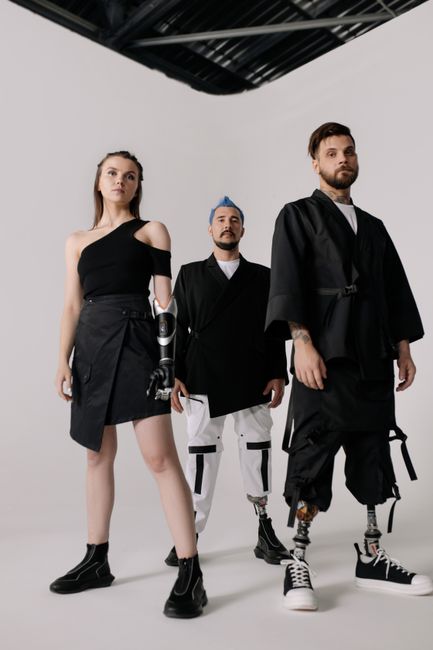
A skirt can be a tolerant garment, yet that tolerance depends on its cut, waistband and length cooperating with your proportions instead of fighting them. Often it is not your body that makes a skirt feel wrong; rather, a seam, rise or hemline is asking too much of a place it should not. Choosing skirts that hold their position, permit easy movement and produce the outline you truly want is the goal. Along the way, we will also look at leather jackets.
Before you shop, stand in front of a mirror in straightforward clothes and look at three things: where your waist is softest, how your shoulders compare with your hips, and whether your legs look longer or shorter in different rises. What you notice this way counts for more than a label. They let you dismiss a skirt swiftly and identify a practical option prior to trying it on.
Put balance before body-shape names
Body-shape labels are mostly convenient shortcuts, and a whole person is seldom captured by them. Rather than obeying rules for a single shape, consider balance: where your shoulders are narrower than your hips, a skirt with volume can give the lower half a purposeful feel, whereas a very body-hugging skirt may highlight the contrast. If your shoulders are wider, a straighter or gently flared skirt can balance the top half without adding bulk.
The second clue is how defined your waist is. Where your waist is clearly defined, a skirt positioned at or close to it tends to look well resolved. Where the waist is less defined, a band set slightly lower, or a skirt with a flat front and gentle drape, may prove more comfortable than a rigid band slicing across the middle. The objective is not to imitate an hourglass; it is to create a line that looks considered from front, side and rear.
Waistband first, everything else after
Even with a lovely print, a skirt will not work if its waistband is incorrect. Whether a skirt remains level, rotates or presses into you when seated is decided by the band's rise, width and rigidity. Use your most likely top for fittings, instead of a flimsy vest that masks the waistband's performance. It is also worth checking custom jackets shop before you decide.
Rise, with coverage at the back
Although a high rise can make the leg look longer and hold a tucked top tidily, it must have sufficient ease at the waist so it does not press. Should the band open away at the back, the skirt is probably shaped for another hip curve, and taking it in can misshape pockets or side seams. For daily wear, a mid rise frequently proves most practical, since it rests under the softest area of the waist while covering the hip. For days spent climbing stairs or bending, confirm the back rise is high enough to keep you comfortable.
Construction of the band
Elasticated bands are gentler for sitting and for shifts in comfort, while fixed waistbands offer a crisp line and pair well with tucked-in tops. Rather than a narrow gathered band that bunches, the finest elasticated skirts have a wide, flat band that sits smooth. Choose a style with a flat front and elastic only at the back if visible elastic is not to your taste.
Length, movement and fabric checks
Length is not only about height; it is about where the hem lands on your leg and what you will wear with it. Tidy results with boots can come from a hem just under the knee, while midi lengths depend on a shoe that does not cut the ankle badly. Walk, sit and go up some steps in the skirt before making your decision.
- Pick pockets that remain flat, since cumbersome side pockets can add breadth where it is unwanted.
- If a long, unbroken line is the aim, let the hem pass beyond the widest part of your calf.
- Because a slippery lining allows a skirt to sit without climbing, test it over tights.
- Look at the skirt in daylight because flimsy fabrics can stick or make underwear lines visible.
Choose shapes that balance your outline
Where attention settles is altered by the skirt's shape. Volume below the waist comes from A-line and fuller skirts; straight and pencil shapes follow the hip; wrap or bias cuts make diagonals that soften the outline. You do not need to sidestep one family entirely; you need to notice how much volume and structure you want on a given day.
Skirts with A-line or fuller shapes
Where you wish to glide over the stomach, hip or upper thigh without clinging, an A-line skirt flaring from the hip is practical. A fuller skirt needs ample fabric so it falls in folds and does not bunch; lighter weight also helps it move instead of standing stiffly away. For a shorter frame, a softer flare and a shorter hem tend to feel less overpowering than a very long, very wide skirt.
Pencil and straight styles
Straight skirts look polished if the cloth has structure and there is a back vent or an accommodating hem for movement. A pencil skirt that grips the hip too closely will crease and climb; far more useful is one that sits smoothly but not tightly. For a fuller middle, greater ease may come from a straight skirt with a flat front and a little stretch than from a stiff pencil style.
Try it properly before buying
A skirt may photograph beautifully and yet fall short in practical life. Sit low, cross your legs if that reflects your habits, and observe whether the hem climbs or the waistband turns over. Notice if the skirt turns as you walk quickly; when it does, the waistband or hip cut is probably wrong for you.
The layers you genuinely use should likewise be part of the test. Worn with a jumper, a full skirt produces proportions unlike those with a tucked shirt, and a long coat can cover the waist you liked in the changing room. Should you keep having to pull it down or hitch it up, abandon it; once on, a practical skirt ought to require very little attention.
Build a compact set that works
Few items are required for a workable skirt wardrobe. Most occasions can be met by three: a neutral straight or softly tapered skirt, an A-line or fuller one for easy days, and a softer wrap or bias style. Stick to waistbands and lengths you have already tried, and introduce pattern or colour only once the fit has been established.
A suitable skirt ought to feel like an instrument, not an examination. Once the shape, fabric and rise suit your proportions, the skirt will cease to occupy your mind and simply become something you wear. Use these points as a starting place for anything related to leather jackets.


Comments